THE SAVQIRA JOURNAL
Cooking with Confidence: How to Create Delicious Meals in a Well-Equipped Kitchen

The Savqira Journal / Cooking Essentials
Cooking with Confidence: How to Create Delicious Meals in a Well-Equipped Kitchen
Great cooking begins with more than a good recipe. The right tools, a thoughtfully organized workspace, and a few reliable techniques can make preparing delicious meals feel simpler, more enjoyable, and far more rewarding.

Confidence in the kitchen begins with preparation, practical tools, and the freedom to enjoy cooking.
Great Meals Begin With a Kitchen That Works for You
Cooking at home can be one of the most satisfying parts of everyday life. It offers the opportunity to experiment with flavors, prepare nourishing meals, and create something meaningful for yourself and the people around you.
Yet even a simple recipe can feel difficult when essential tools are missing, ingredients are scattered, or preparation surfaces are overcrowded. A well-equipped kitchen helps remove these everyday frustrations.
You do not need a professional kitchen or an extensive collection of appliances. With a carefully selected set of reliable tools, a practical layout, and a few foundational techniques, you can approach everyday cooking with greater confidence.

Build Your Kitchen Around the Tools You Actually Need
A well-equipped kitchen begins with a collection of dependable essentials. Instead of purchasing every available gadget, focus on tools that support the meals you prepare most often.
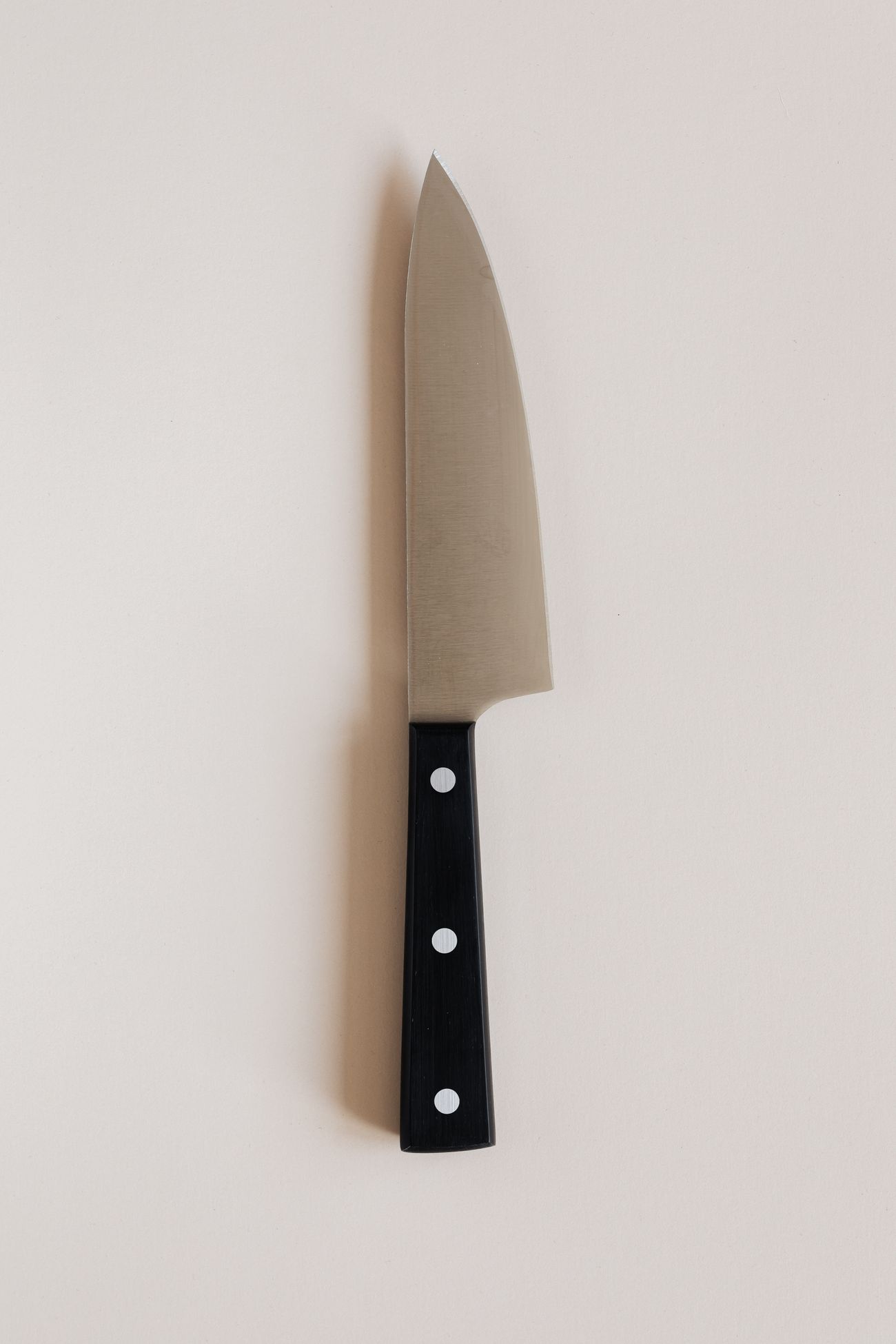
A quality chef's knife, sturdy chopping board, reliable cookware, measuring tools, and a few versatile utensils can handle a wide range of everyday cooking tasks.
Choose tools that feel comfortable in your hands, are suitable for your cooking surfaces, and can be cleaned and maintained easily.
- A versatile chef's knife and safe cutting board.
- A sturdy frying pan and practical saucepan.
- Measuring cups and spoons for consistent results.
- Heat-resistant spatulas, tongs, and stirring utensils.
- Mixing bowls, a colander, and useful preparation tools.
Three Kitchen Essentials Worth Getting Right
Thoughtfully chosen equipment makes everyday cooking more comfortable, efficient, and consistent. These categories form a useful foundation for most home kitchens.
Reliable Cookware
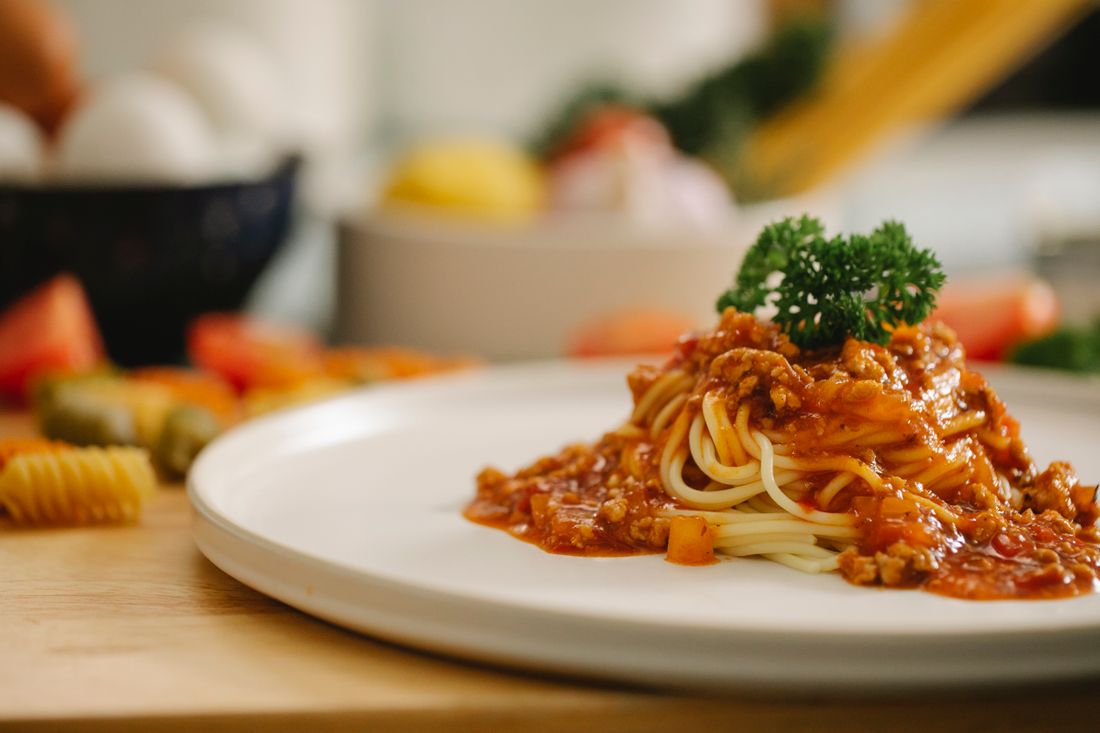
A versatile frying pan, a medium saucepan, and a larger pot can support everything from quick breakfasts to soups, pasta, sauces, and family dinners.

Practical Preparation Tools
Cutting boards, knives, mixing bowls, peelers, and measuring tools help you prepare ingredients accurately and efficiently before cooking begins.

Useful Everyday Utensils
Spatulas, ladles, tongs, whisks, and serving spoons make it easier to stir, flip, mix, portion, and serve food with control and confidence.

Set Yourself Up for Success Before Cooking Begins
One of the simplest ways to feel more confident in the kitchen is to prepare everything before turning on the stove.
Read your recipe, gather ingredients, measure quantities, and arrange the tools you will need. This approach, often called mise en place, helps reduce interruptions and makes cooking more manageable.
It also gives you time to identify missing ingredients, understand cooking steps, and prepare vegetables, proteins, or sauces at a comfortable pace.
- Read the entire recipe before starting.
- Gather all ingredients and required tools.
- Wash produce and prepare ingredients safely.
- Measure seasonings and other ingredients in advance.
- Keep raw and ready-to-eat foods separated.
Cooking becomes more enjoyable when your kitchen supports your creativity, your tools feel familiar, and every meal begins with confidence.
The Savqira Philosophy
Simple Cooking Techniques That Build Confidence
You do not need complicated recipes to create delicious meals. Learning a few dependable techniques can help you prepare a wide variety of dishes with greater consistency.
Learn to Control Heat
Different ingredients require different cooking temperatures. Use moderate heat for gentle cooking, higher heat when appropriate for browning, and adjust as needed to avoid burning or overcooking.
Practice Safe Knife Skills
Use a stable cutting board, a properly maintained knife, and controlled cutting movements. Uniformly sized ingredients often cook more evenly and improve the finished dish.
Understand Seasoning
Salt, acidity, herbs, and spices influence how flavors develop. Season thoughtfully, taste when safe, and adjust gradually rather than adding everything at once.
Use the Right Cooking Method
Sautéing, simmering, roasting, steaming, and baking each produce different textures and flavors. Choose methods that suit your ingredients and desired results.
Check Food for Safe Doneness
Use a food thermometer for meat, poultry, and other foods requiring temperature checks. Appearance alone is not a reliable indicator of safety. Follow recommended minimum internal temperatures.
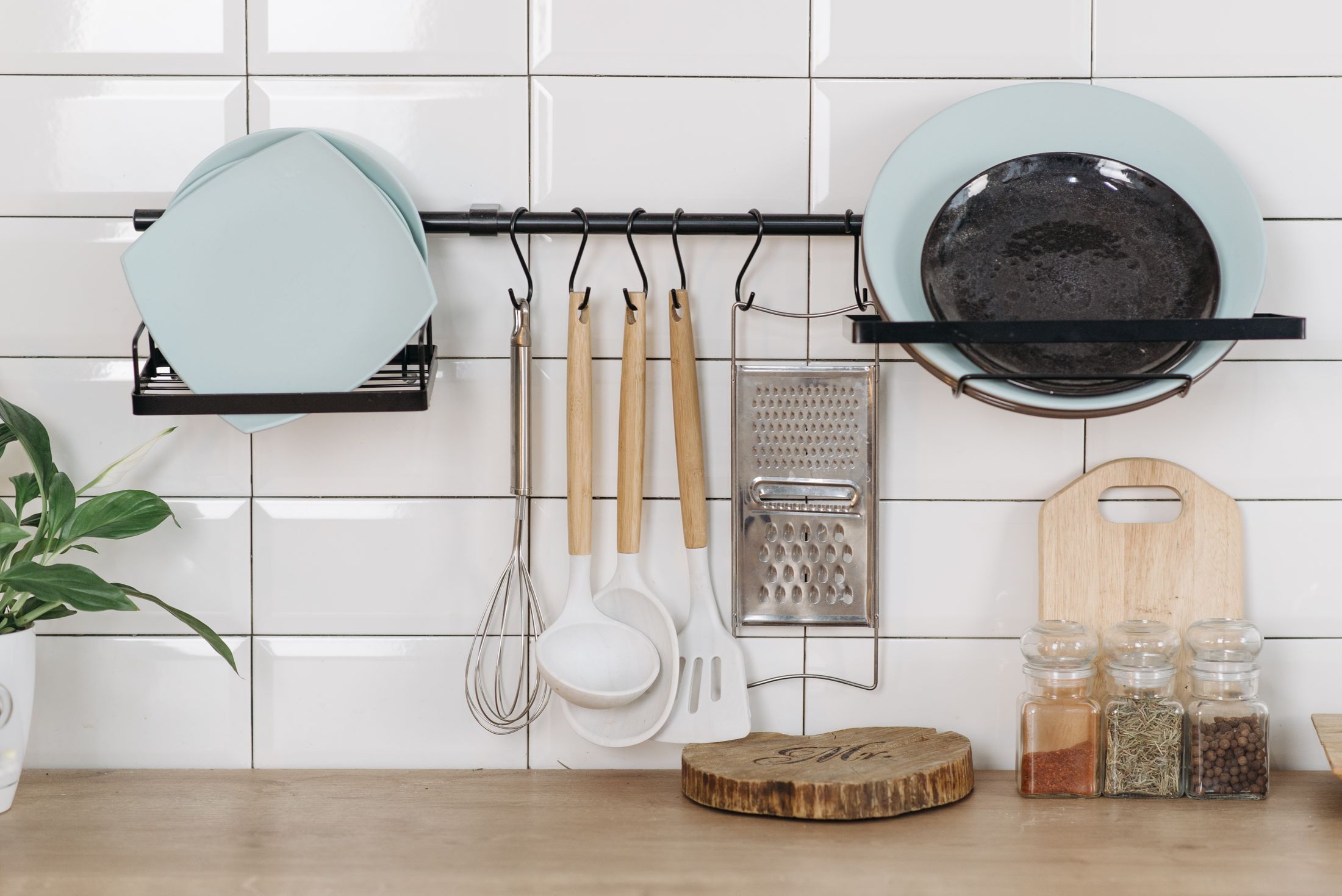
Create a Kitchen Layout That Makes Cooking Easier
Even the best cooking equipment becomes frustrating when it is difficult to find or access. Thoughtful organization helps your kitchen work more efficiently.
Keep preparation tools close to your main work surface, cooking utensils near the stove, and frequently used ingredients in accessible cabinets or drawers.
Organize cookware by size and purpose, and store matching lids together. Avoid overcrowding shelves so you can remove items without disturbing everything around them.
- Group cooking tools by purpose.
- Keep everyday cookware easy to reach.
- Use drawer organizers for smaller utensils.
- Store ingredients in clearly labeled containers.
- Keep preparation surfaces clean and uncluttered.

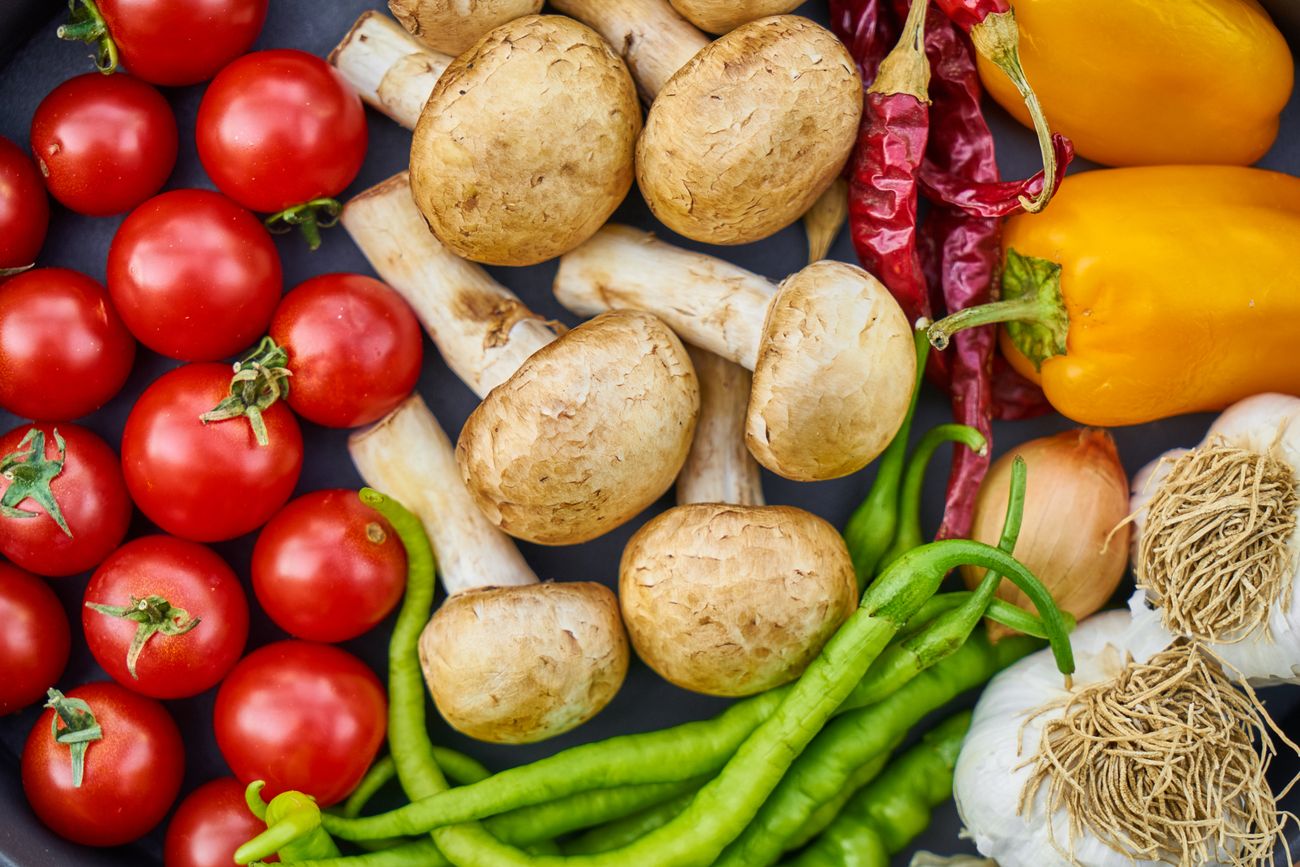
Let Fresh Ingredients and Simple Flavors Shine
Delicious meals often begin with a small selection of thoughtfully chosen ingredients. Fresh vegetables, quality pantry staples, herbs, and seasonings provide a versatile foundation for everyday cooking.
Learn which ingredients work well together and keep a practical selection of frequently used staples available in your kitchen.
Proper storage also matters. Follow food-specific storage guidance, refrigerate perishables promptly, and organize ingredients so older purchases are used before newer ones.
- Choose seasonal produce when practical.
- Keep versatile herbs and spices available.
- Maintain a useful selection of pantry staples.
- Store ingredients according to their requirements.
- Plan meals around ingredients you already have.
Small Habits That Make Home Cooking More Enjoyable
Confidence develops through practice. These simple habits can help you cook more comfortably, stay organized, and enjoy the process of preparing everyday meals.
Master a Few Favorite Recipes
Begin with meals you enjoy and prepare them regularly. Familiarity helps you understand ingredients, cooking times, and preparation techniques.
Prepare Ingredients Before Cooking
Gather ingredients, measure quantities, and organize utensils before beginning. A few minutes of preparation can make the entire cooking process feel smoother.
Clean as You Cook
Wash or set aside used utensils, wipe work surfaces, and return ingredients to storage as you finish using them. This keeps your kitchen manageable throughout meal preparation.
Experiment With Confidence
Once you are comfortable with a recipe, try different herbs, vegetables, or cooking methods. Small adjustments help develop creativity and personal taste.
Make Everyday Meals Feel Special
A delicious home-cooked meal deserves a thoughtful finish. Simple presentation and comfortable tableware can make the dining experience more enjoyable without adding unnecessary work.